



Latest from IPE Magazine – Page 124
-
 Special Report
PEPP: Time to get personal
Can the new Pan-European Personal Pension Product close Europe’s pensions gap?
-
 Asset Class Reports
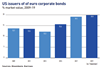
Fixed Income – European investment grade: No sign of end for negative yields
Negative interest rates look set for a lengthy run in Europe, raising concerns about the long-term effects
-
 Country Report
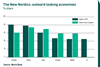
Baltic private equity: Faith in the new
BaltCap is championing business integration in the Nordic and Baltic economies
-
 Special Report
Behaviour and retirement planning: Live long and prosper
Most retirement planning models simplify people’s life patterns
-
 Asset Class Reports
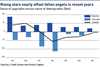
US investment grade: A year for not living dangerously
Geopolitical uncertainties are pushing investors away from longer-term strategies
-
 Country Report
Estonia: Reforms face opposition
Proposals designed to strengthen the Estonian first pillar are proving controversial
-
 Special Report
UK: More needs to be done to address post-retirement challenges
The industry has been slow to address the challenges posed by pension freedoms
-
 Asset Class Reports
Building ABS confidence
European regulators are promoting a ‘gold standard’ for asset-backed securities
-
 Country Report
Romania: Still under threat
Political decisions have damaged Romania’s second-pillar system. How will it respond to a change of government and a bullish stock exchange?
-
 Special Report
UK auto-enrolment: Solutions needed for retirees
Auto-enrolment for employees has been a success. Why not take the same approach for retirees?
-
 Country Report
Russia puts a spotlight on pension age
Low levels of trust in financial services have scuppered plans to reform the pension system
-
 Opinion Pieces
A precarious balance
Why has there not been another global financial crisis over the past decade? That is a more fruitful question than trying to predict when the next bout of market mayhem will hit.
-
 Opinion Pieces
Systemic risk may be underestimated
Underestimating the scale of systemic risk within the asset management industry is a mistake. For several years, macroprudential authorities including the International Monetary Fund, the European Central Bank and the Bank of England have argued that asset management activities are becoming systemically more risky.
-
 Opinion Pieces
Time for a positive impact on investing
The focus on sustainability and impact investing is expected to continue to grow, with potential regulatory and policy responses having wide-ranging investment implications
-
 Analysis
Investors react to EU Green Deal
PensionsEurope and EFAMA have reacted positively to a European Commission climate change-driven growth strategy
-
 Interviews
Interview: Miranda Carr, Haitong International
It is all too easy to forget that the markets are in a peculiar state. For example, nominal yields on US 10-year Treasuries have trended downwards since 1981. Real interest rates – that is, adjusted for inflation – have also trended downwards from about the same time. Estimates vary but there are also many trillions of euros worth of negative yielding debt.
-
 Interviews
On the Record: Retirement income
IPE asked three pension funds how they help members to ensure investment returns are turned into good retirement outcomes
-
 Interviews
How we run our money: Xerox UK Final Salary Pension Scheme
Jeffrey McMahon, head of pension investment and risk at Xerox UK, tells Carlo Svaluto Moreolo about the plan to make the company’s legacy DB scheme self-sufficient
-
 Features
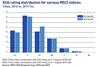
China: On a long climb up the ESG ladder
China is the world’s biggest emitter of greenhouse gases, compels imprisoned Muslims in Xinjiang to toil in factories, and has Communist Party committees embedded in companies, exercising a shadowy influence over management. It is, in other words, not exactly a poster child for good ESG performance.
-
 Features
ESG Report: SAAving the world?
Integrating ESG has become commonplace in institutional investment, but generally the discussion has focused on areas such as security selection and stewardship