

Latest from IPE Magazine – Page 24
-
 Features
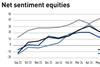
IPE Quest Expectations Indicator - August 2024
Joe Biden’s weakness was a lucky stroke for Donald Trump, who has shown similar symptoms for years. It remains to be seen what effect Kamala Harris has on the polls. Trump and his chosen VP are both proponents of weakening the USD.
-
 Analysis
Towards harmonisation on shareholder rights
Could amendments to the EU’s Shareholder Rights Directive help fix Europe’s splintered voting rules?
-
 Special Report
Generation of change: asset managers grapple with AI on both sides of the P&L
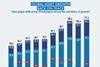
Data highlights from IPE Top 500 Asset Managers 2024: Global asset management AUM: €111.4trn ($120trn) | Year-on-year increase of 8.6% on the 2023 total of €102.6trn | Global institutional assets: €36trn (2023: €35.1trn) | European institutional assets €11.9trn (2023: €11.5trn)
-
-
 Special Report
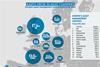
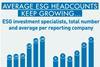
European essentials 2024
Essential European highlights from IPE’s 2024 asset management guide at a glance
-
-
Special Report
IPE Top 500 Asset Managers 2024 rankings
Asset managers in our listing are ranked by global assets under management and by the country of the main headquarters. Assets managed by these groups total €111.4trn (2023: €102.6trn)
-
Special Report
Top 120 European Institutional Managers 2024 rankings
Total non-group assets managed for all types of European institutional clients – pension funds, insurance companies, corporates, charities and foundations – for the leading 120 managers in this business segment. Total assets are €11.9trn (2023: €11.5trn)
-
 Special Report
IPE’s asset management strategy panel - Strategic priorities
What will asset management companies’ strategic priorities be over the next three to five years?
-
 Special Report
IPE’s asset management strategy panel - AI integration
How can asset management companies successfully integrate AI?
-
 Special Report
IPE’s asset management strategy panel - Sustainability
How will sustainability drive investment and operational decisions over the next three to five years?
-
 Asset Class Reports
Equities: a return to passive safe havens
In an effort to counterbalance an uncertain economic outlook and geopolitical tensions, many institutional investors are avoiding active management
-
 Special Report
Europe’s pension policy roundtable: Challenges for the next Commission
The experts weigh in on the future of the European Union’s pensions policy
-
 Country Report
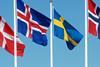
Nordic Region Report 2024: Denmark’s government urges pension funds to support defence
Danish schemes embrace defence – as long as ESG criteria and international conventions are adhered to
-
 Special Report
Roundtable: Eversheds Sutherland - Eric Bergamin and Francois Barker
Many pension rules have their origins in European legislation. The European Commission wants every EU citizen to be able to build up an adequate pension to avoid a poverty trap among the elderly, and also wants solid consumer protection.
-
 Asset Class Reports
Magnificent seven stocks suck up capital from other sectors
Concentration of US equity markets around a handful of names remains an intractable issue
-
 Country Report
Sweden’s AP7 adapts by expanding asset classes and boosting staff numbers
Under new leadership, Sweden’s default fund in the premium pension system is expanding asset classes and personnel
-
 Special Report
Roundtable: CBBA-Europe - Francesco Briganti
It is acknowledged that the IORP II directive is currently under revision, and it is likely that additional requirements will be introduced in new legislation. The European Commission should not introduce additional requirements regarding solvency, governance, information, or reporting because IORPs already work well.
-
 Asset Class Reports
Small-cap equities struggle as giants surge ahead
Small caps are finding it difficult to make inroads in a world dominated by the Magnificent Seven
-
 Country Report
Solvency rules continue to hamper Finland’s private pension funds
The Finnish retirement industry hopes that a relaxation of regulations will allow schemes to increase equity allocations